Cast Iron Component Manufacturing
One-Stop Casting, Machining, and Surface Treatment Services for Gray & Ductile Iron Components.
EADAmetal primarily serves the automotive braking, hydraulic, construction machinery, agricultural machinery, and general industrial equipment sectors. Based on customer drawings, operating environments, and corrosion requirements, we match the appropriate material grades, casting processes, machining, and surface treatment solutions.
Our Capabilities Include:
- Gray & Ductile Iron Blanks
- Sand Casting & Custom Casting
- CNC Turning, Milling & Boring
- One-Stop Delivery
- Surface Grinding & Finishing
- Shot Blasting & Cleaning
- Zinc-Nickel Alloy Plating
- Powder Coating
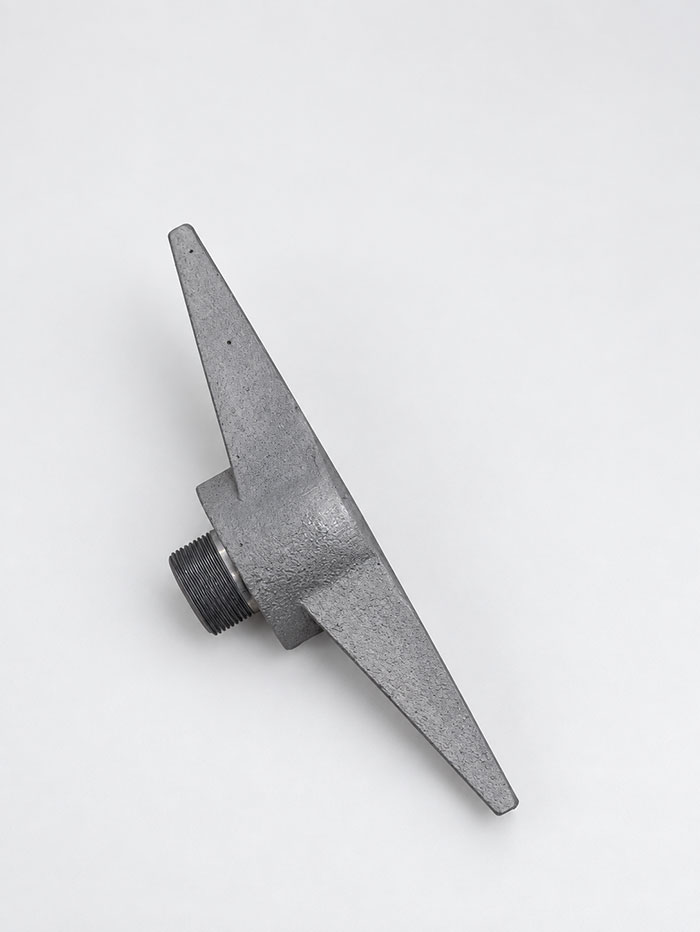
Gray Cast Iron
Features excellent castability, machinability, vibration damping, and pressure resistance. Ideal for structurally complex industrial parts requiring good dimensional stability and cost control.
Its tensile strength, impact toughness, and elongation are generally lower than ductile iron, making it more suitable for parts enduring pressure, vibration, and general mechanical loads.
Typical Applications:
- Brake system components
- Pump bodies, valve bodies & hydraulic housings
- End covers, brackets & general structures
Ductile Cast Iron
Through nodularization, graphite is distributed spherically, retaining good casting and machining properties while delivering much higher strength, toughness, fatigue resistance, and load-bearing capacity.
Suitable for functional parts enduring impact, alternating loads, and high mechanical stress. Widely used in auto braking, steering, hydraulic, and construction machinery.
Typical Applications:
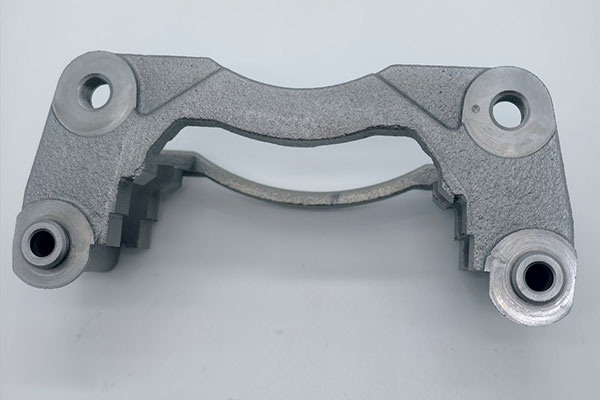
- Auto brake caliper brackets
- Steering knuckles & suspension joints
- Ag/Construction machinery load parts
Common Cast Iron Grades
Gray Cast Iron Grades
| Chinese / General Grade | Equivalent Specs (US/EU/JP) | Key Performance Features | Typical Applications |
|---|---|---|---|
| HT150 | ASTM A48 Class 20 / EN-GJL-150 / JIS FC150 | Relatively lower strength, good casting and machining properties, lower cost. | End covers, bases, general housings, low-load structures. |
| HT200 | ASTM A48 Class 30 / EN-GJL-200 / JIS FC200 | Offers good castability, vibration damping, and machinability. | Pump/valve bodies, motor housings, general mechanics. |
| HT250 | ASTM A48 Class 35 / EN-GJL-250 / JIS FC250 | Good strength, wear resistance, and dimensional stability; widely used. | Brake discs, hydraulic housings, machine tool parts. |
| HT300 | ASTM A48 Class 45 / EN-GJL-300 / JIS FC300 | High strength and wear resistance, suitable for high mechanical loads. | High-strength housings, heavy-duty mechanical parts. |
Ductile Cast Iron Grades
| Chinese / General Grade | Equivalent Specs (US/EU/JP) | Key Performance Features | Typical Applications |
|---|---|---|---|
| QT400-18 | ASTM A536 60-40-18 / EN-GJS-400-18 / JIS FCD400-18 | High elongation and toughness, offering excellent impact resistance. | Valve/pump bodies, auto chassis, hydraulic parts. |
| QT450-10 | ASTM A536 65-45-12 / EN-GJS-450-10 / JIS FCD450-10 | Balanced strength and toughness, ideal for general load-bearing parts. | Brake brackets, housings, flanges, connectors. |
| QT500-7 | ASTM A536 70-50-05 / EN-GJS-500-7 / JIS FCD500-7 | Good strength, wear resistance, and fatigue properties. | Auto braking, hydraulic, ag/construction machinery parts. |
| QT600-3 | ASTM A536 (by properties) / EN-GJS-600-3 / JIS FCD600-3 | High strength and wear resistance with relatively lower elongation. | Gears, hubs, heavy-duty brackets, high-strength parts. |
| QT700-2 | ASTM A536 100-70-03 / EN-GJS-700-2 / JIS FCD700-2 | High strength and hardness, suitable for high-load and wear environments. | High-strength gears, connectors, heavy machinery parts. |
Note: International standards are approximate references. Actual material selection must be confirmed based on execution standards, mechanical properties, chemical composition, metallographic structure, wall thickness, heat treatment, and end-use requirements.
Casting & Machining Control
EADAmetal matches casting and machining plans based on part structure, size, weight, batch, and mechanical property requirements.
Development Phase Focus:
We heavily emphasize validating casting wall thickness, fillets, draft angles, machining allowances, datum selection, critical dimensions, and dimensional changes post-surface treatment to mitigate blank defects and subsequent machining risks.
- Casting process and machining allowance review
- Cast iron blank production
- Casting cleaning and shot blasting
- Machining of datums and mounting faces
- Turning, milling, drilling, boring, and tapping
- Finishing of critical bores and mating faces
- Surface grinding and roughness control
Surface Treatment Solutions for Cast Iron
Zinc-Nickel Alloy Plating
Primarily used to enhance the corrosion resistance of cast iron parts. Highly suited for functional parts in high-corrosion environments like auto chassis, brake systems, hydraulic equipment, and construction machinery.
Process Matches:
- Zn-Ni layer + Trivalent Chrome Passivation + Sealer/Topcoat
- Local masking & thread protection
* Cast iron surfaces (rust, scale, sand inclusions, pores) directly affect plating quality. Sample validation is highly recommended before mass production.
Powder Coating
Forms a protective coating with substantial thickness to improve corrosion resistance, weatherability, and appearance. Ideal for auto brakes/chassis, ag machinery, pump/valve bodies, and outdoor equipment.
Process Matches:
- Custom colors, thickness, and textures
- Masking areas & thread protection
* For castings with pores or sand inclusions, strict pre-cleaning and process validation are required to prevent bubbles or poor adhesion.
Treatment Selection Guide
| Usage Requirement | Recommended Treatment |
|---|---|
| High corrosion resistance, low dimensional impact | Zinc-Nickel Alloy Plating |
| Outdoor protection, appearance & color reqs | Powder Coating |
| Complex shapes, multiple threads & fit dimensions | Zinc-Nickel Plating (confirm masking reqs) |
| Large exposed surfaces or housing parts | Powder Coating |
Production Organization & Quality Control
Cast iron blanks are produced by EADAmetal's long-term, evaluated professional foundry partners. Through unified project management, we reduce the client's workload of individually coordinating casting, machining, plating, and coating suppliers.
EADAmetal as the Responsible Entity:
- Drawing & tech requirement review
- Material grade & mechanical property confirmation
- Partner foundry matching
- Transfer of casting & machining specs
- Production schedule coordination
- Surface treatment plan formulation
- Critical dimension & surface quality control
- Finished delivery & quality tracking
Inspection & Documentation
Material & Casting
- Material certs & grades
- Chemical & mechanical property reports
- Gray iron hardness check
- Ductile iron nodularity & metallography
- Casting appearance & defect checks
Dimensions & Machining
- Dimension and GD&T inspection
- Bore, thread & fit dimension check
- Surface roughness inspection
- FAI & Final inspection reports
Surface Treatment
- Zn-Ni plating thickness check
- Powder coating thickness & appearance
- Corrosion or special testing per project
* For parts with special requirements, NDT, salt spray tests, and other specific inspections can be defined per client standards.
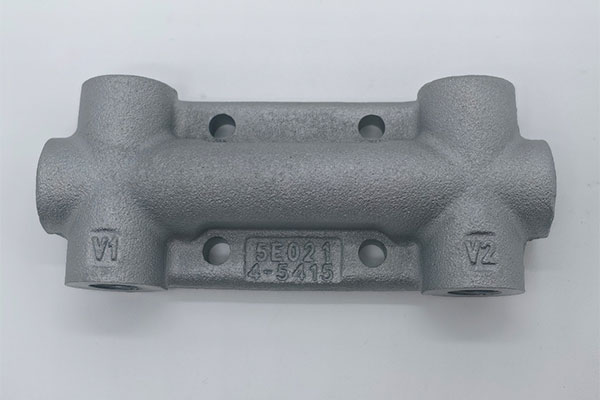
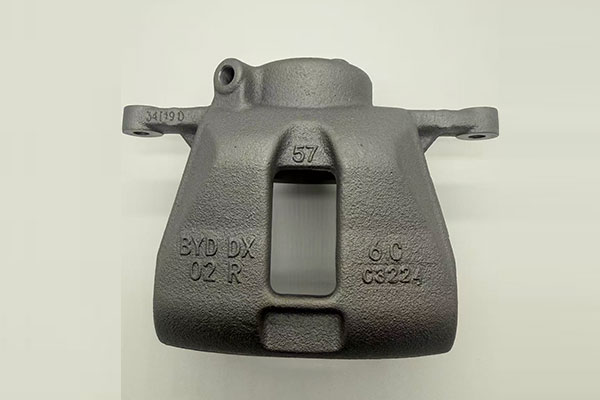
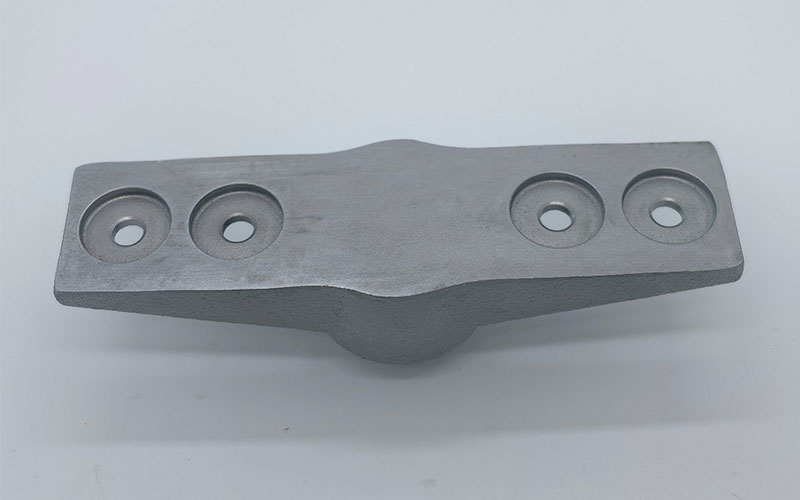
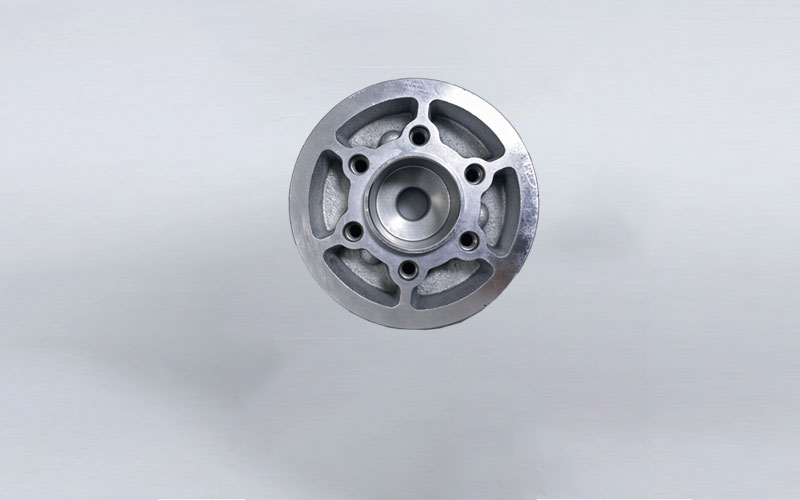
Typical Cast Iron Products
Get a Cast Iron Component Quote
EADAmetal will provide casting, machining, surface treatment, and quality control plans based on part structure and operating environment.
Submit Project DetailsRFQ Information Needed:
- 2D Drawings & 3D Models
- Gray/Ductile iron grade reqs
- Blank weight & finished weight
- Annual volume & batch quantity
- Critical dimensions & GD&T
- Heat treatment & roughness reqs
- Zn-Ni Plating or Powder Coating spec
- Salt spray & quality document requirements