Precision Metal Stamping Services
Custom Stamped and Formed Parts
EADAmetal manufactures custom stamped parts from carbon steel, stainless steel, and other metals based on customer drawings.
We provide comprehensive manufacturing support—spanning material procurement, tooling development, blanking and forming, secondary processing, surface treatment, and quality inspection through to final delivery.
Send Drawings / Contact Us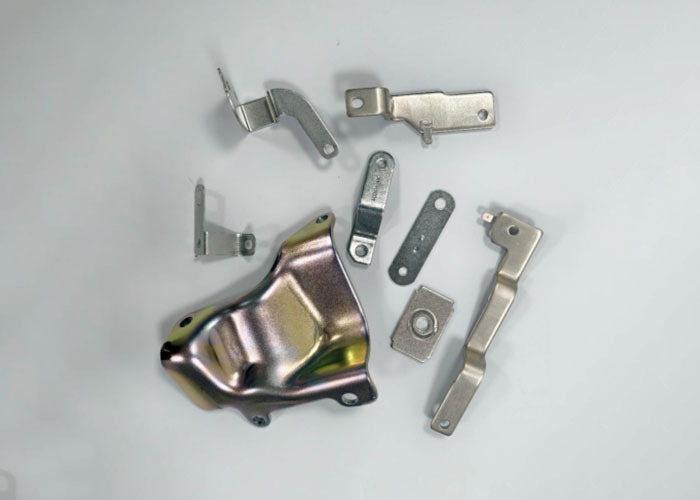
Stamped Parts We Can Manufacture
Depending on the part structure, material thickness, dimensional requirements, and order volume, we can arrange various forms of stamping, blanking, and forming processes.
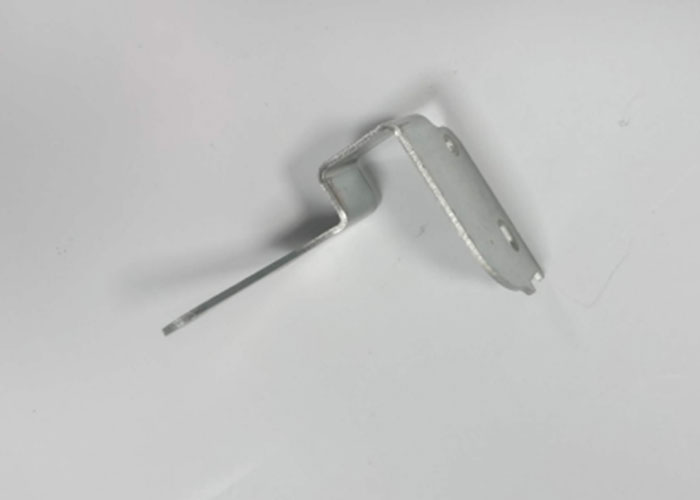
Blanked Parts
Flat components, connecting plates, mounting brackets, shims, and other parts requiring contour blanking and hole processing.
- ✓ Outer profile/contour & Hole locations
- ✓ Burr height & Flatness
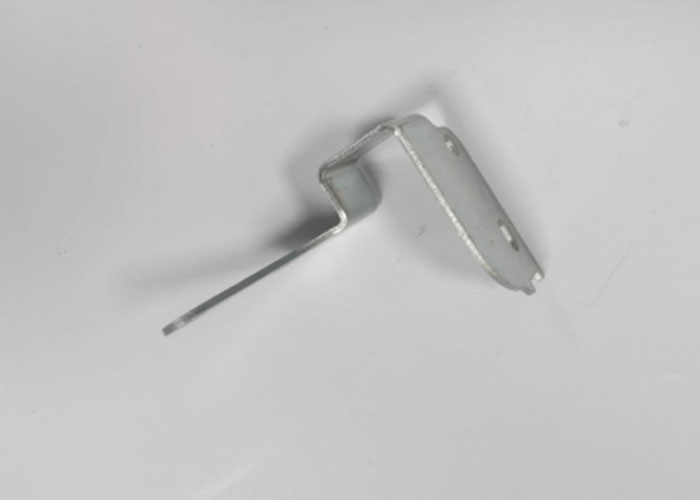
Bent & Formed Parts
Brackets, clamps, fasteners, connectors, and other stamped parts requiring bending or localized forming.
- ✓ Bending angle & Springback
- ✓ Forming height & Post-forming deformation
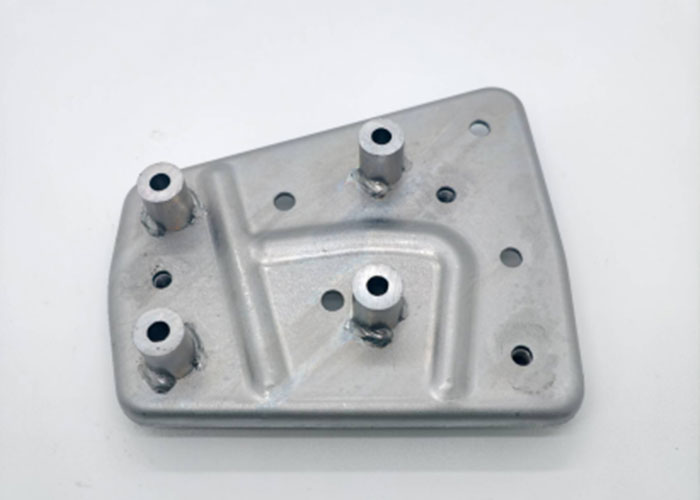
Multi-Operation Parts
For parts requiring multiple operations (blanking, forming, punching, tapping). We evaluate progressive dies or compound dies for high-volume production.
Stamping + Surface Treatment: Going Beyond the "Black Part"
For many industrial stamped components, stamping is merely one stage. Subsequent steps may include electro-galvanizing, zinc-nickel alloy plating, hot-dip galvanizing, or powder coating.
Burrs, sharp corners, overlapping surfaces, and racking points can all affect coating coverage. We consider both the stamping design and subsequent processes from the very beginning, ensuring the component fully meets final specifications.
Processable Materials
- ■ Carbon & Low-Alloy Steel: Q235, Q355, S235JR (for brackets, structural parts).
- ■ Stainless Steel: 304, 316 (for enhanced corrosion resistance).
- ■ Aluminum & Other Metals: Evaluated based on product structure.
Material Utilization & Costs
We optimize layouts to improve material utilization—reducing material consumption without compromising quality, thereby lowering long-term mass production costs. We focus on:
- ✓ Developed part dimensions & Strip width
- ✓ Layout configuration & Edge scrap
- ✓ Overall material utilization rate
From Stamping to Finished Product Delivery
A single point of contact coordinates the entire process.
Drawing Review
Confirm materials, thickness, and tolerances.
Die Strategy
Evaluate material utilization & tooling.
Stamping
Execute blanking, bending with in-process checks.
Secondary
Tapping, deburring, welding, or machining.
Surface Treat
Apply anti-corrosion or functional coatings.
Final Delivery
Verify final dimensions & appearance.