
Marine Ship
Marine & Shipbuilding Surface Treatment Solutions
Advanced engineering-grade electroplating to combat the relentless challenges of the global maritime environment.
Industry Overview
In the global marine industry, surface integrity represents the most critical line of defense against the aggressive nature of saltwater, high-humidity salt air, and varying offshore atmospheric conditions. Metal components used in shipbuilding are subject to constant electrochemical attacks that lead to rapid oxidation and structural weakening. Eada Metal provides specialized, engineering-grade electroplating services that are scientifically formulated to enhance the longevity, reliability, and functional performance of critical ship components, ensuring strict compliance with international maritime safety and durability standards.
Defining Technical Solutions
Corrosion Protection
Zinc-Nickel (Zn-Ni) Alloy Plating
Zinc-Nickel plating is a high-performance coating that deposits an alloy consisting of approximately 12-16% nickel and the remainder zinc. Unlike standard zinc plating, this alloy creates a sacrificial barrier that is significantly more resistant to thermal stress and high-chloride environments. In maritime applications, it is the industry standard for preventing "red rust" on steel substrates, often exceeding 1,000 hours of Neutral Salt Spray (NSS) testing, making it ideal for deck hardware and underwater fittings.
Wear Resistance
Hard Chrome Plating
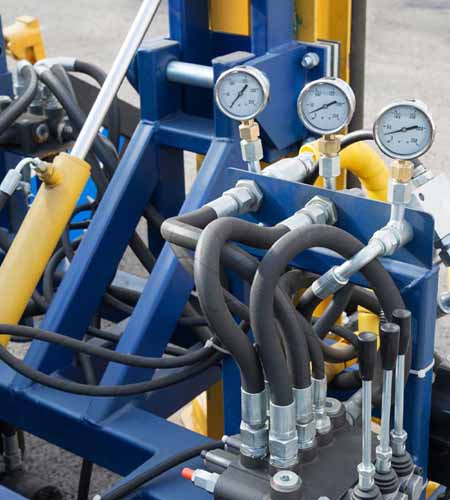
Hard Chrome, also known as Industrial Chrome, is an electrolytic process that applies a layer of chromium specifically for functional rather than decorative purposes. It is defined by its extreme hardness (typically 65-70 HRC) and low coefficient of friction. In the shipbuilding sector, Hard Chrome is vital for propulsion components and hydraulic cylinders, providing a surface that can withstand the abrasive action of salt crystals and mechanical sand while maintaining excellent oil-retentive properties for lubrication.
Precision Engineering
Electroless Nickel Plating (ENP)
Electroless Nickel is a chemical deposition process that does not require an external electric current, resulting in a perfectly uniform coating thickness regardless of the part's geometry. For marine engineers, ENP is defined by its ability to protect complex internal passages, deep recesses, and threaded components. High-Phosphorus ENP is particularly favored for engine room components due to its superior chemical resistance against marine fuels, lubricants, and acidic environments.
Conductivity
Silver & Gold Precious Metal Plating
In marine electronics, surface treatment is defined by the need for reliable signal integrity. Silver plating offers the highest electrical and thermal conductivity of any metal, while gold plating provides unparalleled oxidation resistance. When applied to shipboard connectors and busbars, these treatments ensure that communication and navigation systems remain operational even when exposed to the corrosive, humid air found in bridge consoles and engine control rooms.
Strategic Structural Integrity
Hydrogen Embrittlement Relief (HER)
One of the most critical risks in maritime fastener applications is hydrogen embrittlement—a phenomenon where high-strength steel becomes brittle and fails under load after being exposed to hydrogen during the plating process. Eada Metal integrates a mandatory "Baking" protocol for all high-tensile marine bolts and structural fasteners. This thermal treatment, conducted within hours of plating, effectively drives out hydrogen atoms, ensuring the fasteners maintain their specified ductility and structural safety throughout the ship's lifecycle.
Quality Assurance Standards
| Standardization | Process Definition | Marine Requirement |
|---|---|---|
| ASTM B117 / ISO 9227 | Accelerated Salt Spray Analysis | Verification of long-term resistance to high-salinity corrosion. |
| XRF Spectrometry | X-Ray Fluorescence Measurement | Non-destructive verification of coating thickness and alloy composition. |
| ASTM B571 | Mechanical Adhesion Verification | Ensuring the plating bond remains intact under extreme mechanical vibrations. |
| Vickers / Rockwell | Surface Hardness Characterization | Ensuring the coating meets the wear-resistance specs for moving parts. |