What Engineers Should Know about Zinc-Nickel Coatings?
What is Zinc-Nickel Electroplating?
Zinc-Nickel Electroplating is an advanced electrochemical surface treatment process that involves the simultaneous co-deposition of zinc (Zn) and nickel (Ni) ions onto a metal substrate (primarily steel) to form a uniform, dense alloy coating—not separate layers of zinc and nickel. Unlike traditional single-metal plating, this alloy coating combines the sacrificial corrosion protection of zinc with the enhanced hardness and durability of nickel, resulting in a finish that outperforms pure zinc plating and serves as a safe, environmentally compliant alternative to toxic cadmium plating.
The typical composition of the zinc-nickel alloy coating ranges from 10–15 weight percent (wt%) nickel and the remaining balance zinc, with the 12–14 wt% nickel range recognized as the optimal ratio for balancing corrosion resistance, mechanical properties, and cost-effectiveness. As a sacrificial anodic coating, it protects the underlying steel by corroding preferentially, ensuring long-term protection even if the coating is scratched or damaged—a critical advantage for components exposed to harsh environments. Additionally, it complies with global environmental regulations such as RoHS, REACH, and ELV, making it a sustainable choice for modern manufacturing.
Types of Zinc-Nickel Electroplating
Zinc-Nickel Electroplating is primarily classified based on two key criteria: the type of plating bath (electrolyte) used and the appearance/finish of the coating. Each type has unique characteristics, making it suitable for specific applications and production requirements.
Classification by Plating Bath Type
Alkaline Zinc-Nickel Electroplating: This is the most widely used type, characterized by an alkaline electrolyte (typically zincate-based) that offers excellent throwing power and uniform coverage, even on complex-shaped parts with blind holes, recesses, or intricate details. It has a wide current density range, simple bath composition, and low corrosion risk to plating equipment. While its current efficiency and deposition rate were historically lower, advancements in brightening additives have significantly improved these parameters. This type is ideal for automotive components, aerospace fasteners, and other precision parts requiring consistent coating thickness.
Acidic Zinc-Nickel Electroplating: This type uses an acidic electrolyte, which is further divided into two subcategories:potassium chloride (KCl) based and sulfate-chloride based. The acidic bath offers higher current efficiency and faster deposition rates, making it suitable for high-volume production of simple-shaped parts such as fasteners and washers. The sulfate-chloride variant combines the advantages of both chloride and sulfate baths, making it versatile for both simple and complex workpieces. However, acidic baths have poorer throwing power compared to alkaline baths and may cause slight hydrogen embrittlement in high-strength steel, requiring post-plating baking in some cases.
Classification by Coating Appearance
Trivalent Zinc-Nickel Plating: The most environmentally compliant type, using trivalent chromium passivation instead of toxic hexavalent chromium. It produces a distinct blue or clear finish, offers excellent corrosion resistance, and is mandatory for applications requiring RoHS/REACH compliance, such as automotive and electronics components.
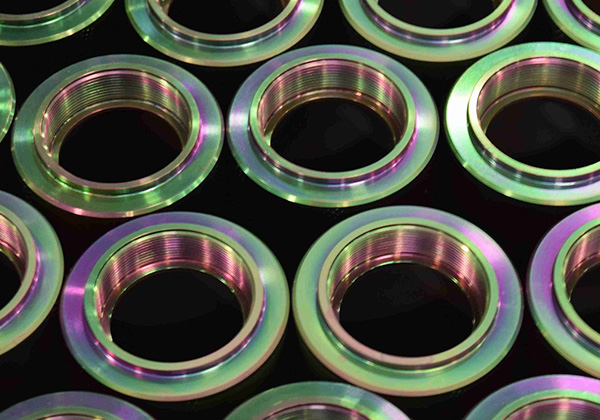
Hexavalent Zinc-Nickel Plating: A traditional type that uses hexavalent chromium passivation, producing an iridescent finish with yellow, red, and green tones. While it offers good corrosion resistance, it is restricted in most regions due to environmental and health concerns (hexavalent chromium is carcinogenic) and is largely replaced by trivalent variants.
Black Zinc-Nickel Plating: Achieved by adding special blackening additives to the plating bath or applying a black organic topcoat post-plating. It delivers a satin black finish, combining corrosion protection with aesthetic appeal, and is commonly used in decorative and functional applications such as automotive trim and electronic enclosures.
Features of Zinc-Nickel Electroplating
Zinc-Nickel Electroplating stands out from other surface treatments due to its unique combination of mechanical, chemical, and environmental properties, making it a preferred choice for high-performance applications across industries.
Superior Corrosion Resistance
This is the most prominent feature of zinc-nickel coatings, offering 4–10 times the corrosion protection of pure zinc plating at the same thickness. When paired with trivalent passivation, it can achieve 1,000–2,500+ hours of neutral salt spray (NSS) testing (per ASTM B117) without red rust, compared to 96–240 hours for standard pure zinc plating. Even in harsh environments (saltwater, road salt, industrial chemicals), it prevents rust jacking, seizing, and structural degradation, significantly extending the service life of components.
Excellent Hardness and Wear Resistance
Zinc-nickel coatings have a Vickers hardness (HV) of 250–500 HV, far higher than pure zinc (~100 HV). This enhanced hardness provides superior abrasion resistance, making the coating resistant to scratches, wear, and damage during handling, assembly, and operation. It is particularly suitable for sliding components (e.g., brake pad backing plates) and fasteners that undergo repeated tightening and loosening.
High Thermal Stability
Unlike pure zinc plating, which degrades above 120°C, zinc-nickel coatings retain their corrosion protection and structural integrity up to180°C (356°F) and can withstand short-term exposure to 200°C. This makes them ideal for components exposed to high temperatures, such as automotive engine bay parts, brake components, and aerospace hydraulic fittings near engines. They also maintain performance under thermal cycling, ensuring reliability in fluctuating temperature environments.
Low Hydrogen Embrittlement Risk
Hydrogen embrittlement is a critical concern for high-strength steel components, as it can cause sudden catastrophic failure. Zinc-nickel electroplating has a very low hydrogen embrittlement risk (around 1.5% absorption), compared to over 40% for pure zinc plating. This means high-strength steel parts often require minimal or no post-plating baking, simplifying production and reducing costs while ensuring structural safety.
Excellent Throwing Power and Uniformity
Zinc-nickel coatings have superior throwing power, meaning they deposit uniformly on all surfaces of a part—including complex shapes, blind holes, and recesses. This ensures consistent corrosion protection across the entire component, eliminating gaps or thin spots that could lead to localized corrosion. Alkaline zinc-nickel baths, in particular, excel in this regard, making them suitable for intricate parts such as hydraulic fittings and brake components.
Environmental Compliance and Safety
Zinc-nickel electroplating is a non-toxic, environmentally friendly alternative to cadmium plating (a known carcinogen) and hexavalent chromium-based treatments. It complies with global regulations such as RoHS, REACH, and ELV, and uses alkaline or low-toxicity acidic baths that minimize environmental impact. Additionally, it poses minimal health risks to workers, making it a safer choice for manufacturing facilities.
Good Galvanic Compatibility
Zinc-nickel coatings have a lower potential difference with steel (~0.1 V) compared to pure zinc (~0.31 V), reducing galvanic corrosion when paired with other metals (e.g., aluminum, copper) in mixed-metal assemblies. This is critical for applications such as EV chassis (steel frames + aluminum brackets) and electronic components, where cross-corrosion could damage the assembly.
How does Zinc-Nickel Electroplating work?
Zinc-Nickel Electroplating operates on the principle of electrochemical co-deposition, where zinc and nickel ions are simultaneously reduced and deposited onto a metal substrate (cathode) in an electrolytic cell. The process involves three core stages: pre-treatment, electroplating (co-deposition), and post-treatment, each requiring precise control to ensure coating quality.
1. Pre-Treatment (Critical for Adhesion and Uniformity)
Pre-treatment is essential to remove contaminants from the substrate surface, ensuring strong adhesion between the coating and the base metal. The steps include: Alkaline Degreasing: Immersing the part in a hot alkaline bath to remove oil, grease, and organic contaminants. Electrocleaning: Using cathodic or anodic cleaning to remove embedded soils and oxides that degreasing alone cannot eliminate. Rinsing: Multiple cold water rinses to remove alkaline residue, preventing contamination of subsequent baths. Acid Pickling (Activation): Immersing the part in a dilute hydrochloric or sulfuric acid solution to remove rust, scale, and surface oxides, and etch the surface to create micro-roughness for better coating adhesion. Final Rinse: Using deionized water to rinse the part, ensuring no acid residue remains before electroplating.
2. Electroplating (Core Co-Deposition Process)
The electroplating stage takes place in an electrolytic cell consisting of three key components: Cathode: The metal part to be plated (typically steel), which is connected to the negative terminal of a DC power supply. Anodes: Pure zinc-nickel alloy anodes or a combination of zinc and nickel anodes, connected to the positive terminal. These anodes dissolve during the process to replenish zinc and nickel ions in the electrolyte. Electrolyte (Plating Bath): An aqueous solution containing zinc salts (e.g., zinc chloride, zinc sulfate), nickel salts (e.g., nickel chloride, nickel sulfate), and specialized additives (brighteners,leveling agents,complexing agents). The additives stabilize the bath, control the nickel content in the coating, and ensure a smooth, uniform finish.
When the DC power supply is turned on, an electric field is formed in the electrolytic cell. Under the influence of the electric field, zinc and nickel ions in the electrolyte migrate toward the cathode (the part being plated). At the cathode surface, these ions gain electrons (reduction reaction) and form zinc and nickel atoms, which co-deposit to form a uniform zinc-nickel alloy coating. A key phenomenon in this process is anomalous co-deposition: despite nickel having a higher standard potential than zinc (making it theoretically less likely to deposit), nickel deposits preferentially due to the influence of additives and surface reactions, allowing the formation of the desired 10–15 wt% nickel alloy.
Key process parameters that must be controlled include:Current Density: 1–5 A/dm² (varies by bath type; higher densities increase deposition speed but may reduce uniformity). Temperature: 20–40°C (room temperature for most alkaline baths; higher temperatures can affect alloy composition). Plating Time: 10–30 minutes (adjusted to achieve the target coating thickness of 8–25 μm). Agitation: Air or mechanical agitation to ensure uniform ion distribution in the bath, preventing concentration gradients and ensuring consistent coating thickness.
3. Post-Treatment (Enhancing Performance and Durability)
Post-treatment steps are critical to maximize the corrosion resistance and durability of the zinc-nickel coating: Cold Water Rinse: Removing excess plating solution from the part to prevent contamination of post-treatment baths. Passivation: Immersing the part in a trivalent chromium solution to form a thin, protective conversion film that seals the alloy coating, boosting corrosion resistance by 3–5 times. This step is mandatory for environmental compliance. Rinse & Dry: Final deionized water rinse followed by forced hot air drying to prevent water spots. Hydrogen Embrittlement Bake (Optional): For high-strength steel parts, baking at 190–220°C for 2–4 hours to diffuse residual hydrogen, eliminating embrittlement risk. Topcoat (Optional): Applying an organic sealer (0.5–4 μm thick) for extra chemical or abrasion resistance, often used in harsh industrial or marine applications.
Applications of Zinc-Nickel Electroplating
Due to its superior performance, environmental compliance, and versatility, zinc-nickel electroplating is widely used across industries that require corrosion resistance, durability, and reliability. Its applications span automotive, aerospace, industrial, marine, and electronics sectors, among others.
Automotive Industry (Largest Adopter)
The automotive industry accounts for over 45% of zinc-nickel electroplating applications, as it meets the strict corrosion resistance and durability requirements of automotive components exposed to road salt, moisture, and high temperatures. Key applications include brake components (brake pad backing plates, caliper brackets), chassis fasteners, fuel system parts (fuel lines, connectors), EV components (battery terminals, connectors), engine bay parts (hydraulic fittings, sensors), and undercarriage components. For example, zinc-nickel plating on brake pad backing plates prevents rust jacking, which can cause friction material delamination, extending the life of the brake pad.
Aerospace Industry
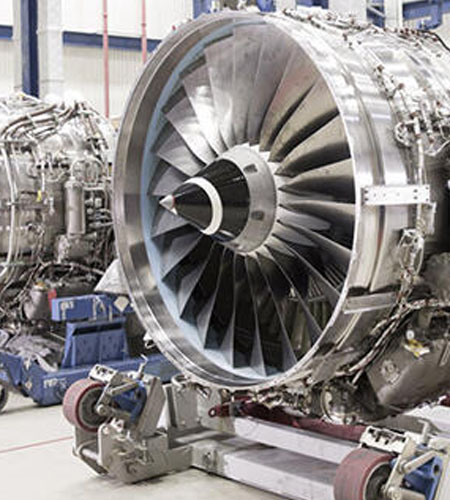
In the aerospace industry, zinc-nickel electroplating is used as a safe, compliant replacement for cadmium plating, which is toxic and restricted by regulations. It is applied to high-strength fasteners, hydraulic fittings, structural components, and landing gear parts, where low hydrogen embrittlement, high corrosion resistance, and thermal stability are critical. Boeing and the U.S. Air Force have validated zinc-nickel as a drop-in replacement for cadmium in high-strength steel components, citing superior mechanical and corrosion performance.
Industrial and Marine Applications
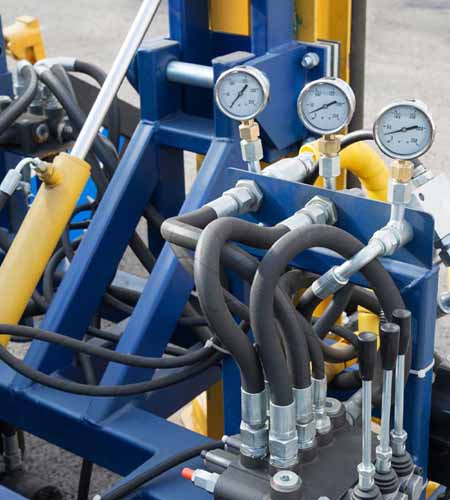
For industrial and marine environments—where components are exposed to saltwater, industrial chemicals, and extreme weather—zinc-nickel electroplating provides long-term protection. Applications include off-road equipment (construction machinery, agricultural equipment), marine hardware (boat fittings, fasteners, seawater desalination equipment), industrial machinery (pumps, valves, connectors), and construction fasteners. Its ability to withstand harsh corrosive environments makes it a cost-effective solution for reducing maintenance and replacement costs.
Electronics Industry
In the electronics industry, zinc-nickel electroplating is used for precision components that require corrosion protection and galvanic compatibility with other metals. Key applications include connectors, shielding components, battery terminals, and corrosion-sensitive enclosures. Its uniform coverage, low toxicity, and good electrical conductivity make it suitable for small, complex electronic parts, protecting them from moisture and humidity that can cause short circuits and component failure.
Defense and Other Industries
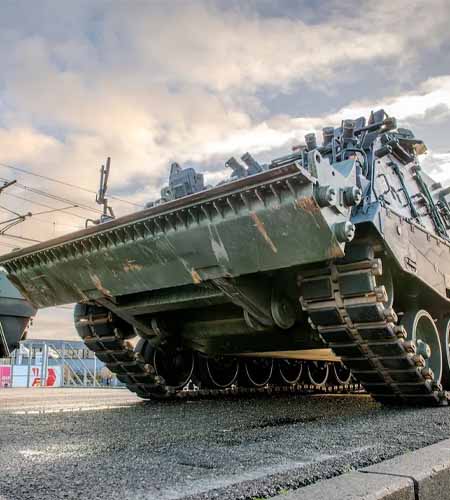
The defense industry uses zinc-nickel electroplating for military hardware, including weapons components, vehicle parts, and communication equipment, as it meets strict durability and compliance standards. Other applications include high-speed rail components (high-strength fasteners), medical devices (corrosion-resistant parts), and oil & gas equipment (large fasteners and valves exposed to harsh chemicals).